Tracing Loyalty Credit Flows Between Video Poker Terminals and Regional Horse Racing Pools in Multi-State Gaming Networks
Morgan Simmons · Nov 11, 2026
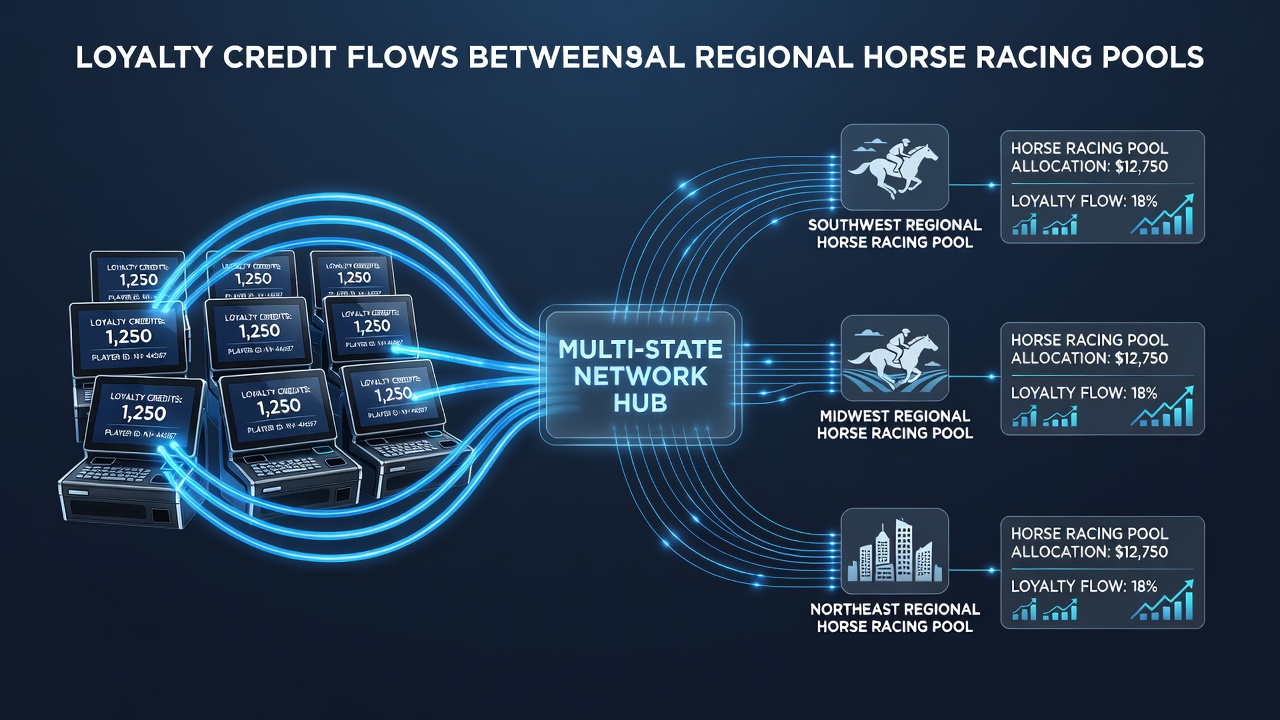
Tracing Loyalty Credit Flows Between Video Poker Terminals and Regional Horse Racing Pools in Multi-State Gaming Networks
Multi-state gaming networks now link video poker terminals directly to regional horse racing pools through shared loyalty credit systems that move player rewards across jurisdictions without requiring separate accounts, and these connections have expanded rapidly since early 2025. Operators track every credit transfer using centralized databases that log the source terminal, the destination pool, and the timestamp of each movement, which allows regulators to audit flows in real time. In November 2026 several networks reported processing over 2.4 million loyalty credit transfers per month between these two product types alone.
How Credit Tracking Systems Operate Across State Lines
Video poker terminals issue loyalty credits based on coin-in totals and session duration while regional horse racing pools accept the same credits when players place wagers through connected kiosks or mobile apps. The flow begins when a player earns credits at a video poker machine in one state then redeems or converts those credits at a racing window in another state, and the network settles the transaction through an interstate clearinghouse that reconciles balances daily. Data from the American Gaming Association indicates that 18 states now participate in at least one such clearinghouse arrangement, with Pennsylvania and New Jersey handling the largest volumes.
Each transfer carries metadata that includes the originating terminal ID, the loyalty program tier of the player, and the tax jurisdiction attached to the original play, which prevents credits from bypassing state-specific reporting rules. Observers note that these metadata fields grew more detailed after 2024 when several states updated their data-sharing agreements to cover both slot-style games and pari-mutuel wagering.
Regulatory Requirements for Cross-Product Credit Movement
State gaming commissions require operators to maintain separate ledgers for video poker credits and racing pool credits even when the same loyalty account holds both, and audits occur quarterly in most participating jurisdictions. The Nevada Gaming Control Board, for example, mandates that any credit originating from a video poker terminal must carry a distinct identifier when it enters a horse racing pool so that win percentages and tax calculations remain accurate. Similar rules appear in Illinois and Indiana, where regulators cross-check clearinghouse reports against individual property tax filings each month.
Those who have examined the audit trails find that discrepancies most often arise from timing differences between when credits are earned and when they are redeemed rather than from deliberate misrouting. In response, several networks introduced automated reconciliation scripts that flag any transfer older than 72 hours for manual review.
Technical Infrastructure Supporting the Flows
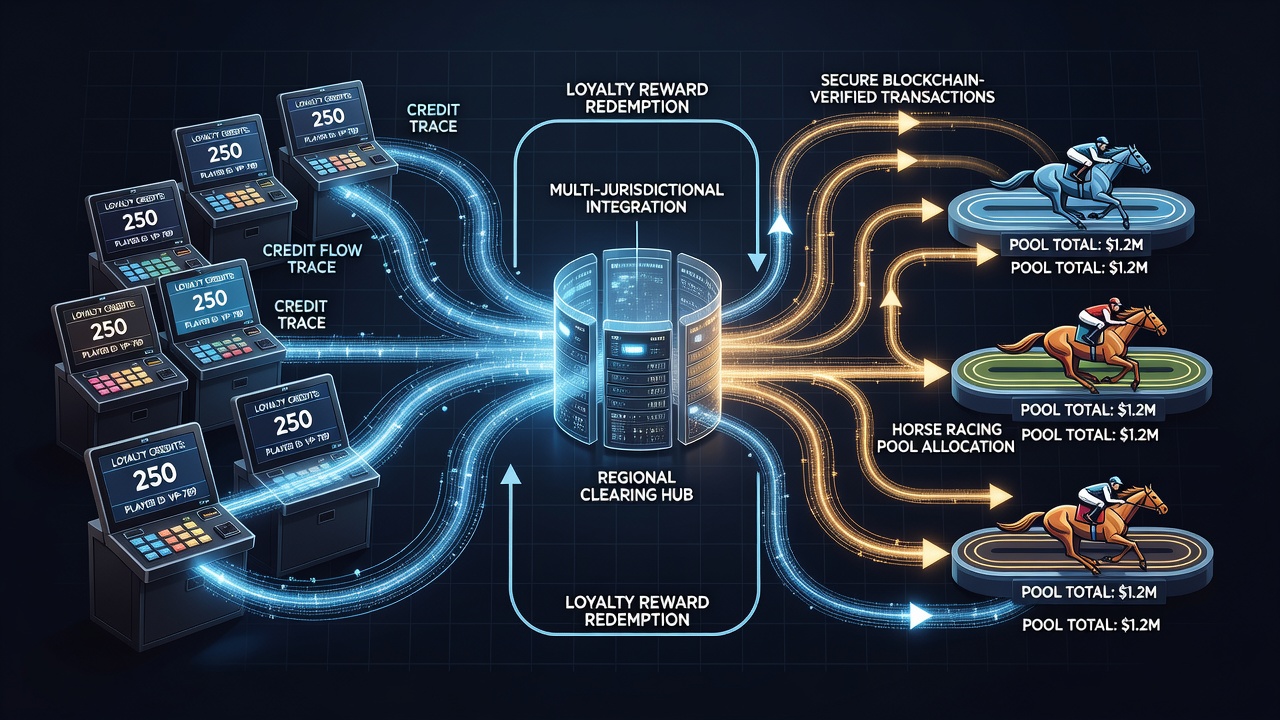
Central servers located in data centers licensed by the host states manage the actual movement of credits while edge devices at each terminal or racing window validate player identity before allowing redemption. These servers use encrypted channels that meet or exceed the standards set by the Multi-State Lottery Association, even though the credits involved are not lottery products. Backup systems in secondary locations keep running logs so that any outage at a primary site does not interrupt credit availability for players.
Integration layers translate the native credit formats of video poker systems into the formats used by racing totalizators, and the translation happens in milliseconds so that players experience no delay when switching between product types. One study released by the University of Nevada, Reno gaming research group in late 2025 documented average translation times of 0.8 seconds across 12 different network configurations.
Player Behavior Patterns Observed in November 2026
Transaction logs from November 2026 show that players who move credits from video poker terminals to horse racing pools tend to do so within the same gaming session rather than across separate visits, and peak transfer times occur between 7 p.m. and 11 p.m. on weekends. The same logs reveal that higher-tier loyalty members complete these transfers at roughly twice the rate of base-tier members, which aligns with the higher average coin-in totals recorded for those accounts.
Regional horse racing pools report that incoming loyalty credits from video poker terminals now represent between 4 and 7 percent of total handle on most race days, a figure that has risen steadily since the first interstate agreements took effect in 2023. Operators adjust pool seeding formulas to account for these external credits so that odds calculations remain consistent with traditional pari-mutuel rules.
Conclusion
Multi-state networks continue to refine the technical and regulatory frameworks that govern loyalty credit movement between video poker terminals and regional horse racing pools, and the systems in place as of November 2026 already support millions of transfers each month while satisfying the reporting demands of every participating state. Continued growth in these flows will depend on further standardization of data fields and reconciliation protocols across additional jurisdictions.