Time-of-Day Lighting Adjustments and Resource Allocation Patterns Across Multi-Zone Gaming Venues
Mara Albrecht · Oct 14, 2026
Time-of-Day Lighting Adjustments and Resource Allocation Patterns Across Multi-Zone Gaming Venues
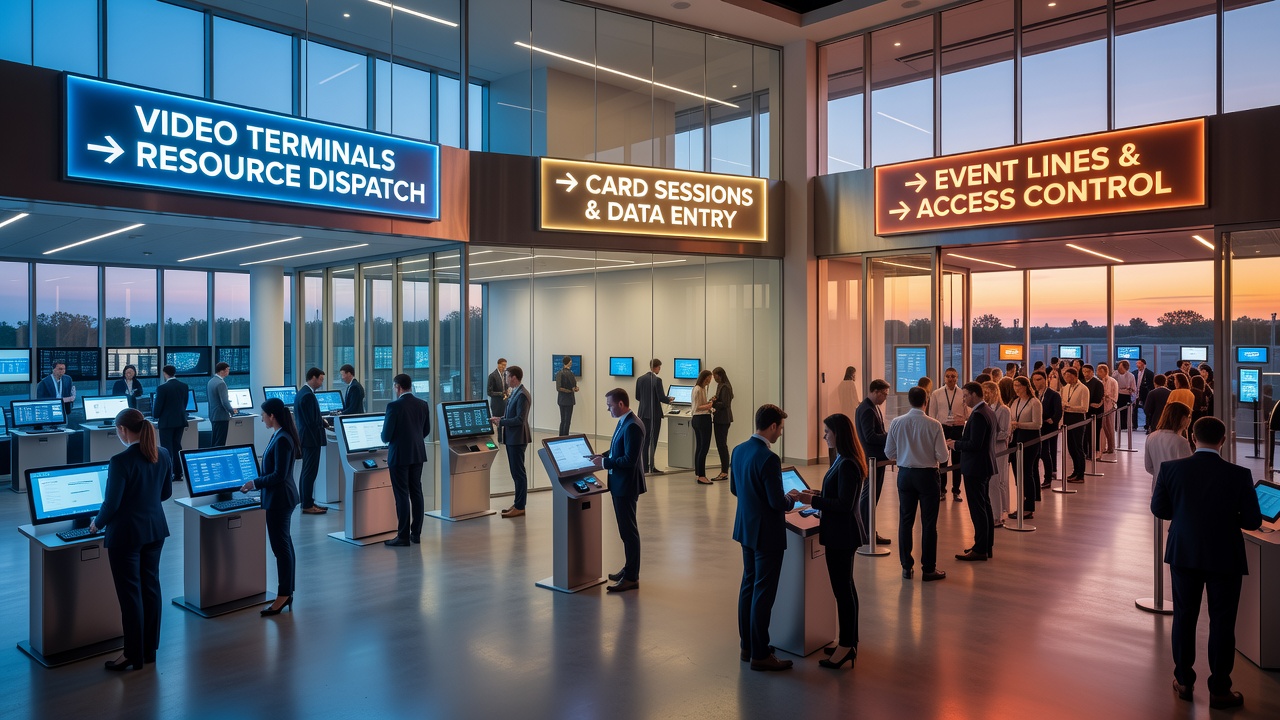
Multi-zone facilities incorporate timed lighting cycles that align with daily operational rhythms, directing player attention and fund movement between video terminals, card tables, and event wagering stations. Data collected from integrated resort properties indicate these adjustments occur in coordinated phases, typically beginning at 6 a.m. with cooler, higher-intensity fixtures over slot banks and progressing toward warmer tones in table game zones by mid-morning.Lighting Cycles and Zone-Specific Player Shifts
Facilities in Nevada and New Jersey implement programmable LED systems that reduce ambient brightness in video terminal areas after 11 a.m., while increasing targeted illumination on card room entrances. Observers note this sequence encourages movement from reel-based play toward live dealer sessions, particularly during overlapping promotional windows that run through early afternoon hours. Figures from property management systems show average session durations at video terminals decrease by measurable margins once lighting dimming protocols activate, with corresponding increases recorded at adjacent table game pits.
Event lines, including sports and racing markets, receive supplemental accent lighting during evening transitions. In October 2026, several integrated venues adjusted these schedules to accommodate expanded college football schedules, resulting in documented upticks in fund transfers from slot credits to event wagering interfaces between 4 p.m. and 8 p.m. Researchers tracking transaction logs across multiple properties confirm these patterns repeat consistently across weekdays and weekends when lighting sequences remain unchanged.
Technical Implementation in Different Regions
Canadian operators in Ontario have adopted similar protocols, synchronizing lighting shifts with provincial gaming commission reporting requirements. Systems there use occupancy sensors combined with time-based controls to modulate light levels, guiding patrons from high-stimulation video areas toward lower-stimulus card environments during afternoon lulls. Australian venues in New South Wales employ comparable strategies, though their cycles incorporate earlier evening ramps to match local event market peaks.
Studies conducted by university hospitality programs demonstrate measurable differences in dwell times when lighting transitions occur gradually versus abruptly. Properties that employ 30-minute ramp periods between zone adjustments record steadier resource flows, whereas sharper changes correlate with temporary clustering near transitional pathways. These findings appear in industry reports issued by gaming technology associations based in both North America and Asia-Pacific regions.
Integration With Promotional and Event Overlaps
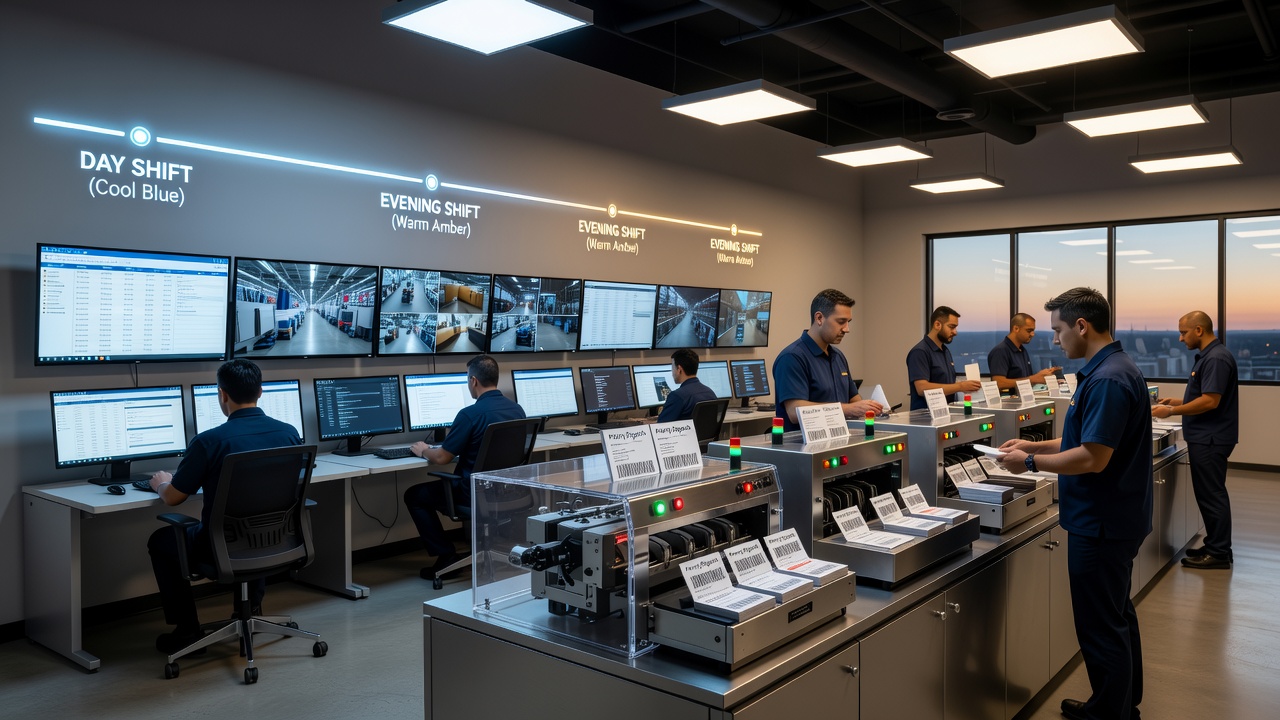
Multi-zone operators coordinate lighting changes with concurrent promotions that span slot, table, and event offerings. When video terminal areas receive reduced lighting during lunch periods, adjacent digital kiosks for sports lines often gain visibility through focused spotlights. Transaction data compiled by state regulatory bodies show increased credit redemptions at these kiosks during those windows, particularly when major sporting events coincide with standard afternoon dimming schedules.
Facilities maintain logs that link specific lighting events to zone-to-zone fund movements. One documented case involved a property where evening lighting intensification in card rooms preceded a measurable transfer of active player balances from slot machines to table minimum buy-ins. Similar correlations appear in reports covering properties operating across multiple time zones, where lighting automation compensates for regional event scheduling differences.
Regulatory and Operational Considerations
Gaming control boards in multiple jurisdictions require documentation of environmental controls that influence player behavior, including lighting systems. These records help verify compliance with responsible gaming standards while providing operational insights into traffic management. Properties update their lighting calendars seasonally to reflect changes in event calendars and daylight availability, ensuring alignment with both regulatory expectations and internal performance metrics.
Equipment suppliers continue refining control software that allows precise scheduling across large floor plans. Integration with player tracking platforms enables facilities to correlate lighting events with individual account activity, producing datasets that inform future cycle adjustments without altering core gaming offerings.
Conclusion
Time-of-day lighting shifts function as operational tools that influence movement patterns between video terminals, card sessions, and event lines in multi-zone facilities. Available data from regulatory submissions and property management systems illustrate consistent relationships between these environmental adjustments and resource allocation timing across different geographic markets. Continued refinement of these systems supports both compliance objectives and efficient floor utilization throughout daily operating cycles.