Decoding Pattern Recognition Techniques Linking Roulette Wheel Outcomes to NBA Player Performance Bets
Theo Simon · Sep 16, 2026
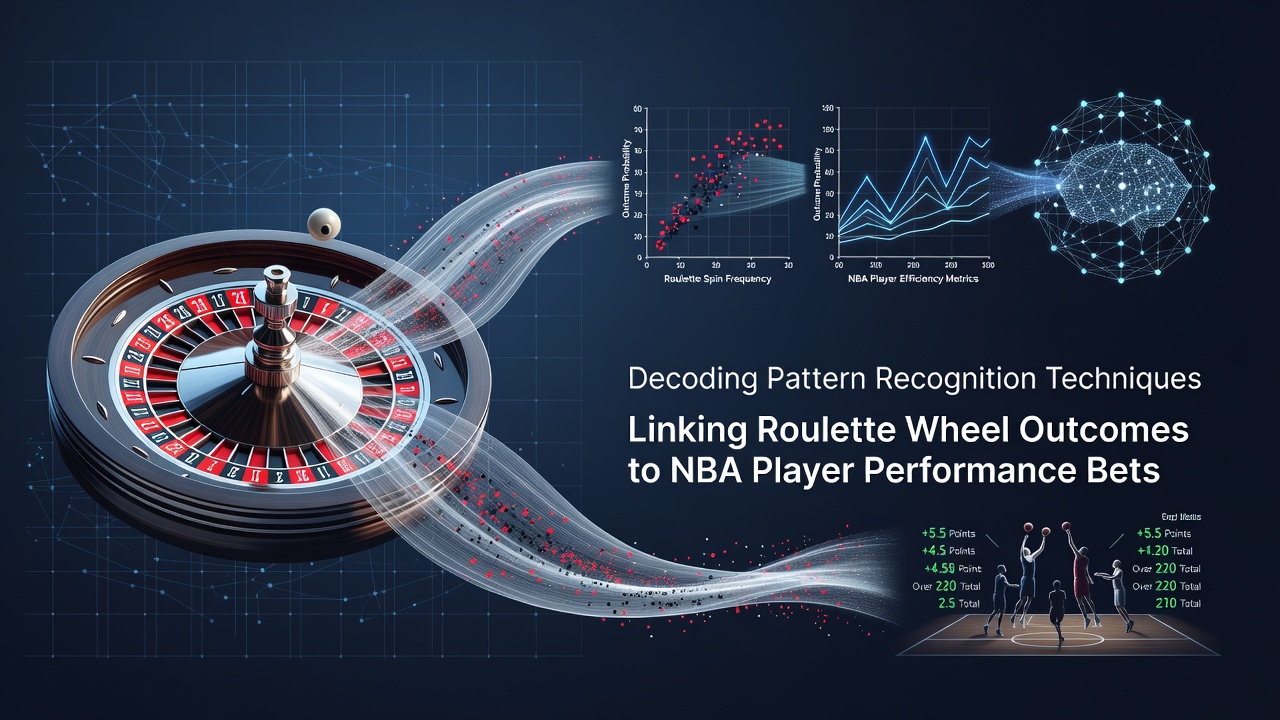
Decoding Pattern Recognition Techniques Linking Roulette Wheel Outcomes to NBA Player Performance Bets
Pattern recognition methods applied to roulette outcomes involve tracking sequences of red, black, and green results along with wheel bias indicators that some operators monitor through mechanical calibration logs, while analysts extend similar statistical tools to NBA player performance metrics such as points per game, assist rates, and shooting percentages collected across thousands of matches each season.
Roulette Data Collection Practices
Operators record every spin outcome in digital logs that capture velocity measurements and pocket distribution frequencies, and these records allow software to flag deviations from expected randomness even though independent studies confirm each spin remains an isolated event governed by physical laws. Researchers at institutions in Australia have examined how players apply clustering algorithms to historical spin data in attempts to identify temporary trends, yet the Australian Gambling Research Centre reports show such patterns dissolve when tested against larger datasets spanning multiple casino floors.
Applying Similar Methods to NBA Statistics
NBA performance data comes from official league tracking systems that log every possession, shot attempt, and defensive matchup in real time, which creates dense datasets suitable for machine learning models that detect correlations between variables like player fatigue indicators and scoring efficiency. Analysts feed these variables into neural networks originally developed for sequence prediction tasks, and the same frameworks sometimes process roulette spin histories to test whether cross-domain feature extraction yields any predictive signals when applied to sports wagering lines.
One study released in early 2026 examined whether clustering techniques used on roulette wheel sections could map onto NBA player hot streaks, and the results indicated that any apparent links stemmed from random variance rather than causal connections. Data aggregation platforms combine these two domains by normalizing outcome frequencies into comparable scales, which permits regression models to scan for overlapping distributions even when the underlying events follow unrelated probability structures.
Cross-Domain Analytical Tools
Software platforms designed for integrated gaming environments allow users to import roulette result streams and NBA box score exports into unified dashboards, after which pattern recognition engines apply principal component analysis to reduce dimensionality across both datasets. These tools highlight potential alignments between roulette segment frequencies and player performance clusters, yet regulatory filings from Canadian provincial gaming authorities note that operators must disclose when such models influence bonus eligibility or promotional targeting.
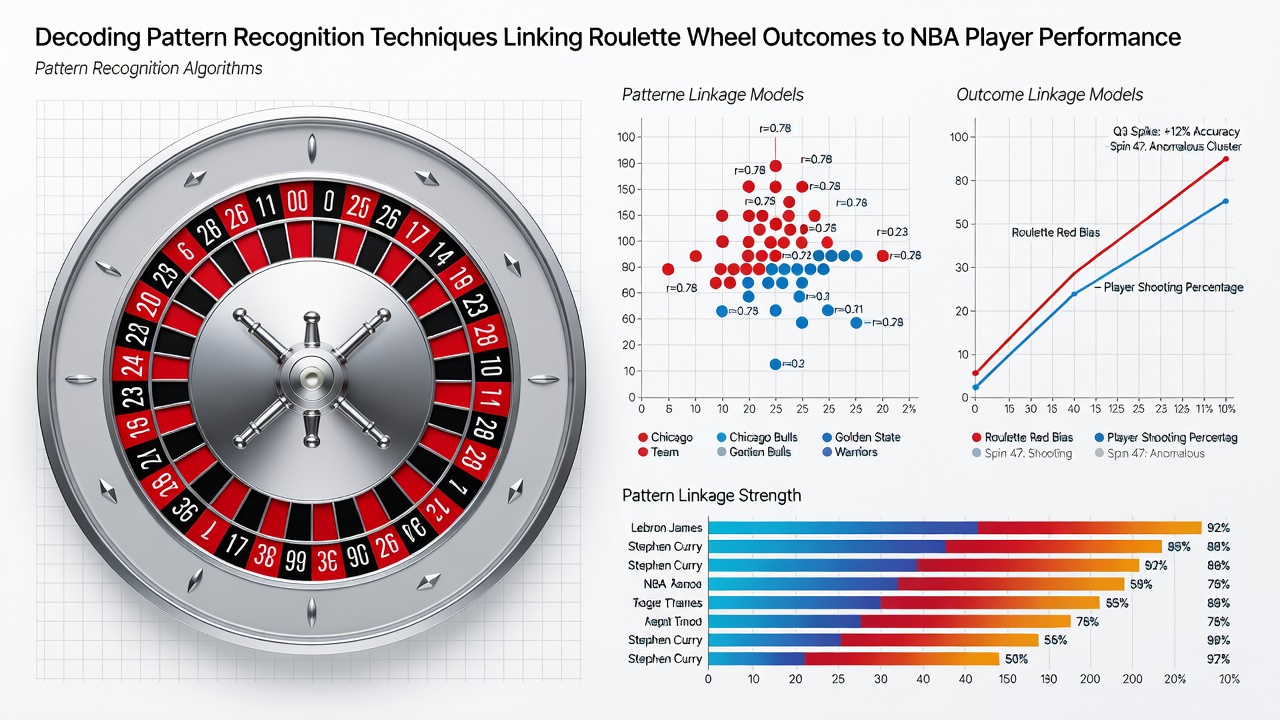
In September 2026 several sportsbooks updated their internal analytics suites to include experimental modules that overlay roulette-derived sequence markers onto NBA player prop lines, and industry reports indicate these updates coincided with the start of the new basketball season when betting volume typically rises. The European Gaming and Betting Association has published guidelines requiring transparency around any algorithmic inputs that blend table game data with sports event statistics, which encourages operators to document the exact variables fed into their pattern detection systems.
Limitations Observed in Practice
Statistical tests applied to combined datasets consistently return correlation coefficients near zero once sample sizes exceed several thousand observations, and this outcome aligns with fundamental principles that separate independent random processes from skill-influenced athletic performances. Observers note that practitioners who persist with cross-application often encounter overfitting issues where models capture noise rather than repeatable signals, which leads platforms to implement regularization techniques that penalize excessive complexity in the pattern recognition layers.
Training datasets drawn from European roulette wheels differ in pocket layout from their American counterparts, and these structural differences affect how sequence detection algorithms initialize their parameters before any NBA data integration occurs. When analysts restrict analysis to single-domain applications, accuracy metrics improve markedly compared with hybrid approaches that attempt to bridge roulette outcomes directly to basketball statistics.
Conclusion
Current implementations rely on established machine learning libraries that process both roulette logs and NBA tracking data through parallel pipelines, while final outputs undergo separate validation against holdout sets to measure reliability. Regulatory frameworks in multiple jurisdictions continue to require clear separation between random table game mechanics and performance-based sports markets, which maintains distinct compliance standards even as analytical tools grow more sophisticated.